Decoding Slot Gacor: Strategies, Myths, and the Mechanics of High-Return Slots
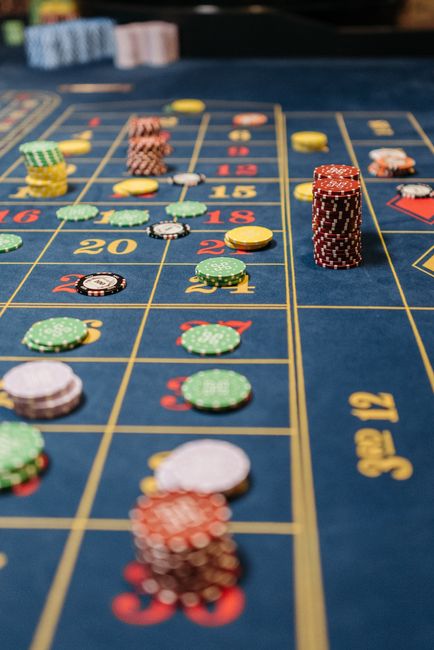
The term 'slot gacor' has become a cornerstone of modern slot gaming discourse, particularly within Southeast Asian markets. Derived from the Indonesian slang 'gacor' (an abbreviation of 'gacok' or 'gacor' meaning consistently loud, productive, or high-performing), the phrase describes slot machines that are perceived to be in a 'hot' phase—paying out frequently or delivering significant wins. However, understanding slot gacor requires moving beyond folklore and into the technical architecture of Random Number Generators (RNGs), Return to Player (RTP) percentages, and the psychological biases that shape player behavior.
The Technical Reality: RNG and Volatility
At the core of every certified slot machine, whether physical or digital, lies an RNG—a cryptographic algorithm that generates thousands of number sequences per second. The outcome of each spin is determined by the exact millisecond the player presses the spin button. No slot machine, regardless of its reputation, can be 'forced' into a gacor state. Instead, what players observe as gacor is the interplay between RNG variance and the game's volatility (risk profile). Low-volatility slots deliver small, frequent wins, which may feel gacor to players seeking steady returns. High-volatility slots, conversely, have long dry spells punctuated by massive jackpots—a pattern often mistaken for being 'cold' until a major payout occurs. Thus, slot gacor is not a fixed attribute but a temporary statistical anomaly within a single gaming session. Operators cannot consciously 'switch' a machine to gacor mode; the software is programmed to adhere to its long-term RTP, typically between 92% and 97% in regulated jurisdictions.
Psychological Factors and the 'Hot Machine' Myth
The belief that a slot gacor can be identified, predicted, or timed is a classic example of the gambler's fallacy—the erroneous notion that past random events influence future outcomes. When a player witnesses others winning on a machine, or experiences a brief run of their own success, the brain's dopamine reward system reinforces the idea that the machine is 'ready to pay.' This is exacerbated by near-miss effects, where two matching symbols appear but the third is just off the payline, creating a false sense of impending victory. Casinos, both land-based and online, also use audio-visual cues—celebratory music, flashing lights, short animations—to amplify the perception of success even on small wins, further entrenching the slot gacor narrative. Importantly, research in behavioral economics shows that players who believe they are playing a 'hot' machine tend to increase bet sizes and session duration, which mathematically only accelerates their exposure to the house edge.
Practical Strategies for Identifying Potential Slot Gacor Sessions
While no method guarantees a gacor outcome, informed players apply risk management principles. First, consult published RTP information. Licensed online casinos are legally required to display RTP for each game. Prioritize slots with RTP above 96%, as they theoretically return more over infinite play. Second, analyze volatility through demo play. Spend 50–100 free spins on the game to gauge hit frequency and win patterns. Games with frequent small payouts (e.g., Starburst, Blood Suckers) are often perceived as gacor in the short term. Third, leverage casino promotions: bonuses, free spins, and cashback offers extend playtime, increasing statistical exposure to possible winning streaks without additional personal capital. Fourth, set strict session limits. The 'hot cycle' illusion often fades, and chasing losses after a perceived gacor period is a common financial pitfall. Professionals treat every session as independent, sidelining emotional attachment to a specific machine.
Industry Perspectives and Regulatory Context
Reputable game developers like NetEnt, Microgaming, and Playtech design their products to pass rigorous testing by agencies such as eCOGRA or iTech Labs, which verify that RNG outputs are random and that RTP falls within acceptable tolerances. Any claim by a third party to 'predict' slot gacor for a fee is universally fraudulent. Similarly, player forums and social media channels often share anecdotal 'rekomendasi slot gacor'—shared machine names or specific times of day to play. While community engagement is socially rewarding, these recommendations lack statistical backing. The randomness from certified RNGs ensures that a machine that paid out heavily yesterday has no lower probability of paying out today. The only universal truth in slot gaming is that the house edge remains constant over the long term, irrespective of short-term variance.
Conclusion: Balancing Knowledge with Discipline
The allure of slot gacor stems from a primal human desire to find patterns in chaos and to believe that skill or secret knowledge can tilt the odds. In reality, the most effective 'strategy' for engaging with high-return slots is not to chase mythical hot machines, but to practice disciplined bankroll management, prioritize games with favorable RTP and suitable volatility, and treat each spin as an entertainment expense. Understanding the underlying mechanics—RNGs, volatility, payout cycles—empowers players to enjoy the experience without falling prey to cognitive biases. For those seeking a deeper dive into theoretical frameworks and real-time analysis of slot behavior, platforms like slot gacor offer curated insights and data-driven discussions that bridge the gap between statistical rigor and player intuition. Ultimately, slot gacor is not a destination but a lesson in probability: the house always wins in the aggregate, but informed players can make the journey more enjoyable and less costly.